These are projects I worked on at Michigan, from editing images to building AR games. Each page explains what we tried, what I worked on, and how it turned out.
08 university projects
A before-and-after sequence made from course-report images. It shows the selected swan changing style; it doesn't show the model running.
I built an application for selecting an object in a photo and applying an artistic style to it. The selected area changes while the surrounding image stays the same.
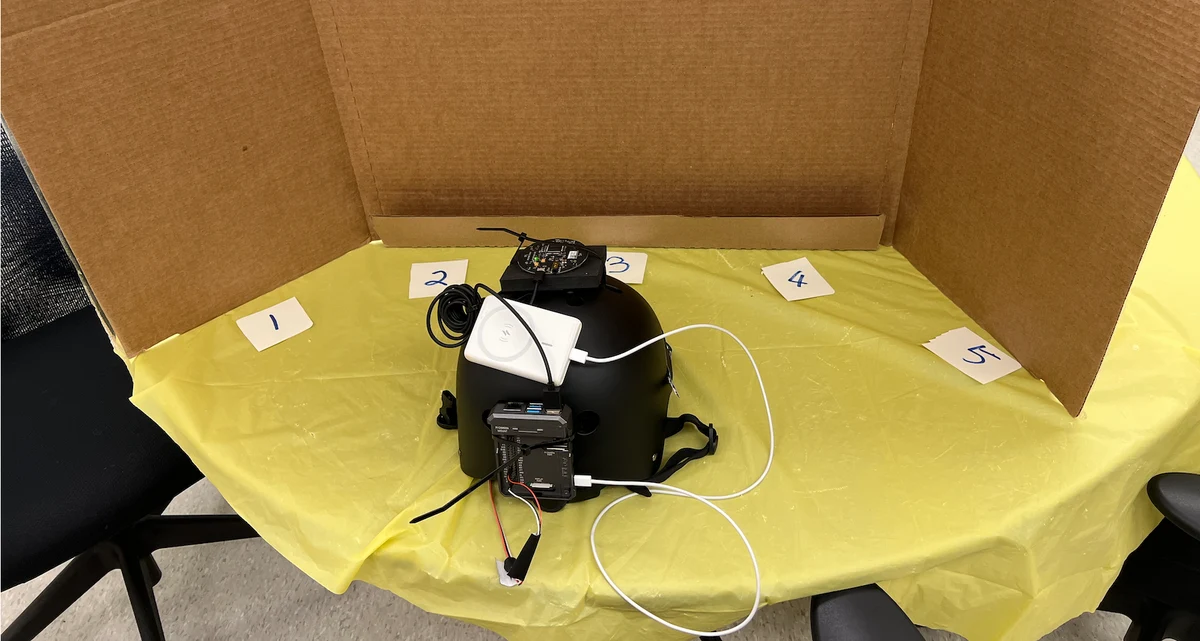
SoundAround is a wearable prototype that uses LEDs at the edge of the wearer's vision to show where a sound is coming from. A microphone array estimates the direction, and Python software chooses which lights to turn on.
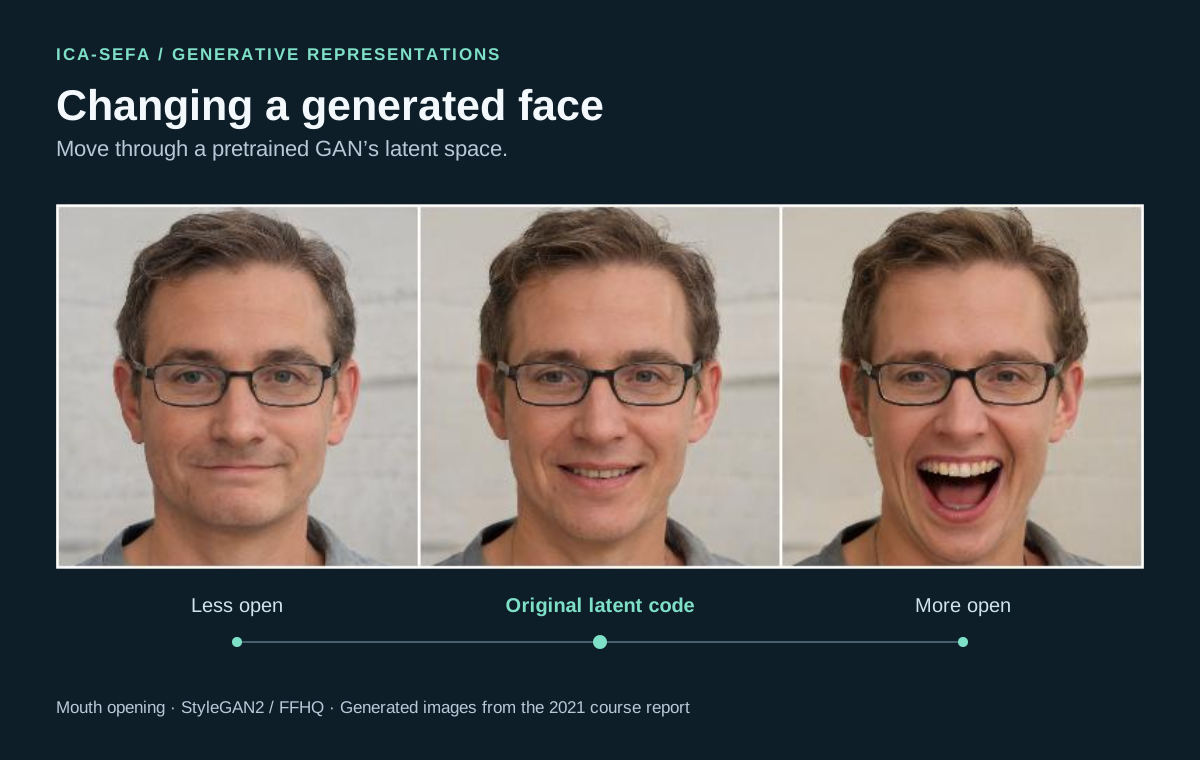
This project explored how to change a feature such as hair color without changing several others. I helped implement ICA-SeFa, a method for finding these edits in a trained GAN, and ran its human evaluation.
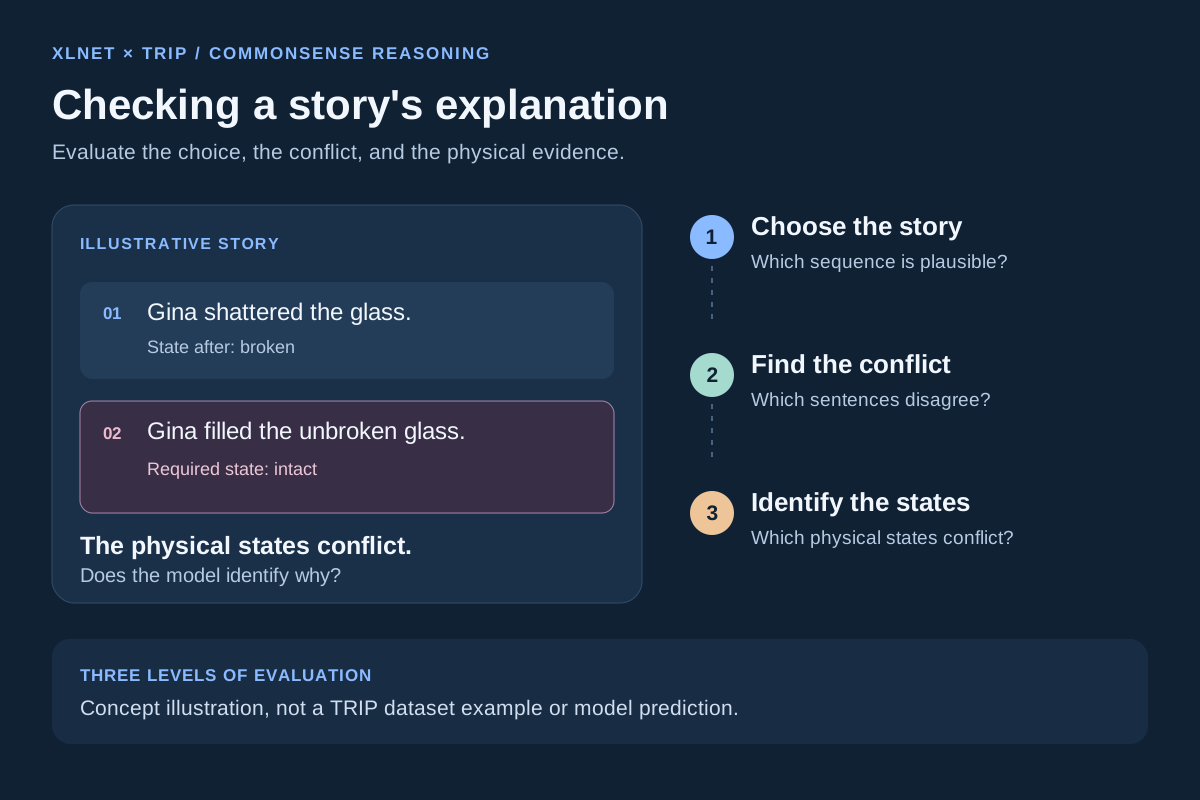
The three levels of TRIP reasoning, explained with a glass-breaking story created for this diagram. It isn't a dataset example or a saved model prediction.
I adapted the TRIP reasoning pipeline to XLNet to test whether it could identify why a short story was physically impossible. The evaluation checked its story choice, the conflicting sentences, and the physical states behind the conflict.
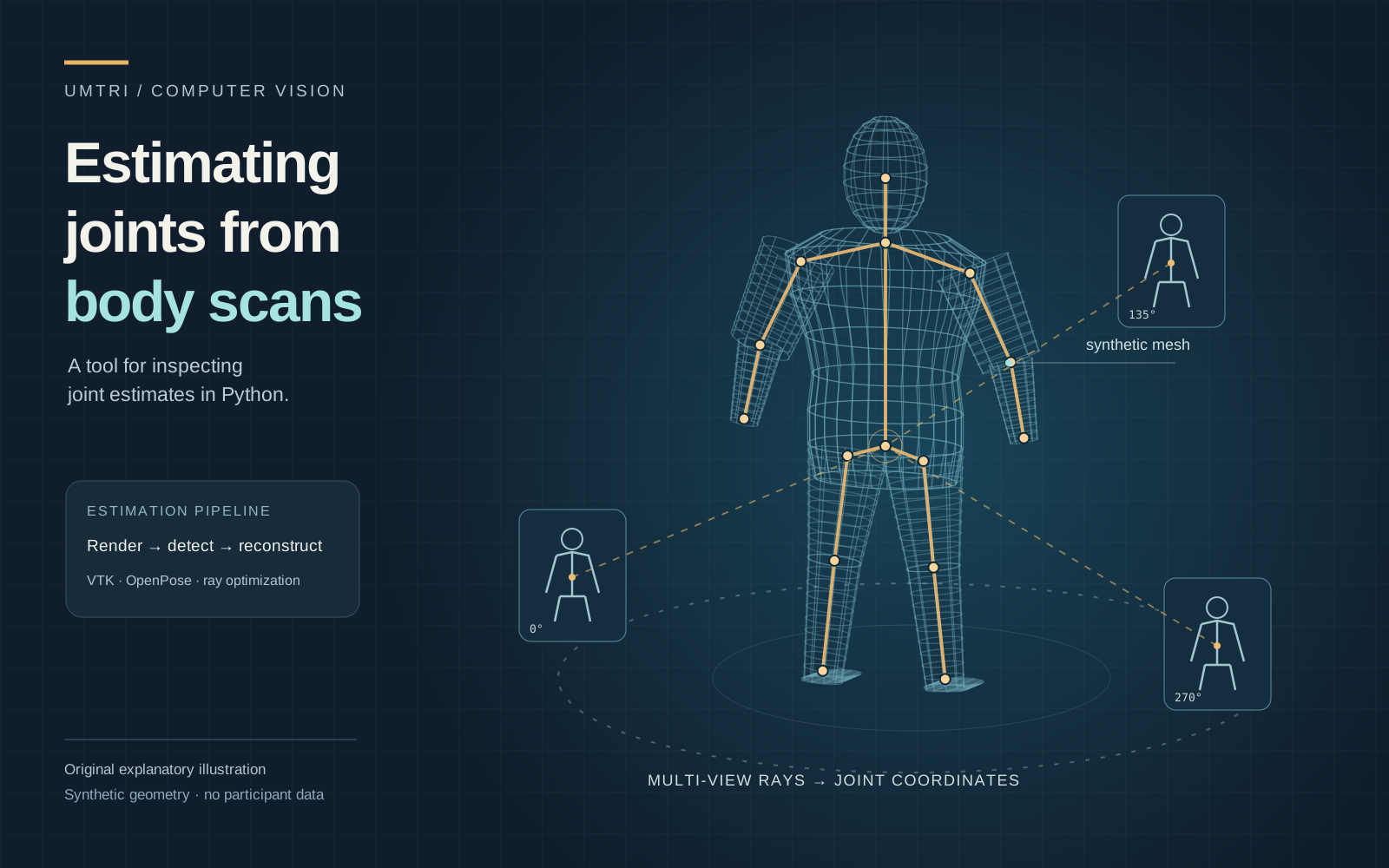
I adapted my mentor's C# prototype into a Python desktop tool. It estimates joint positions from several views of a clothed body scan and exports the coordinates.
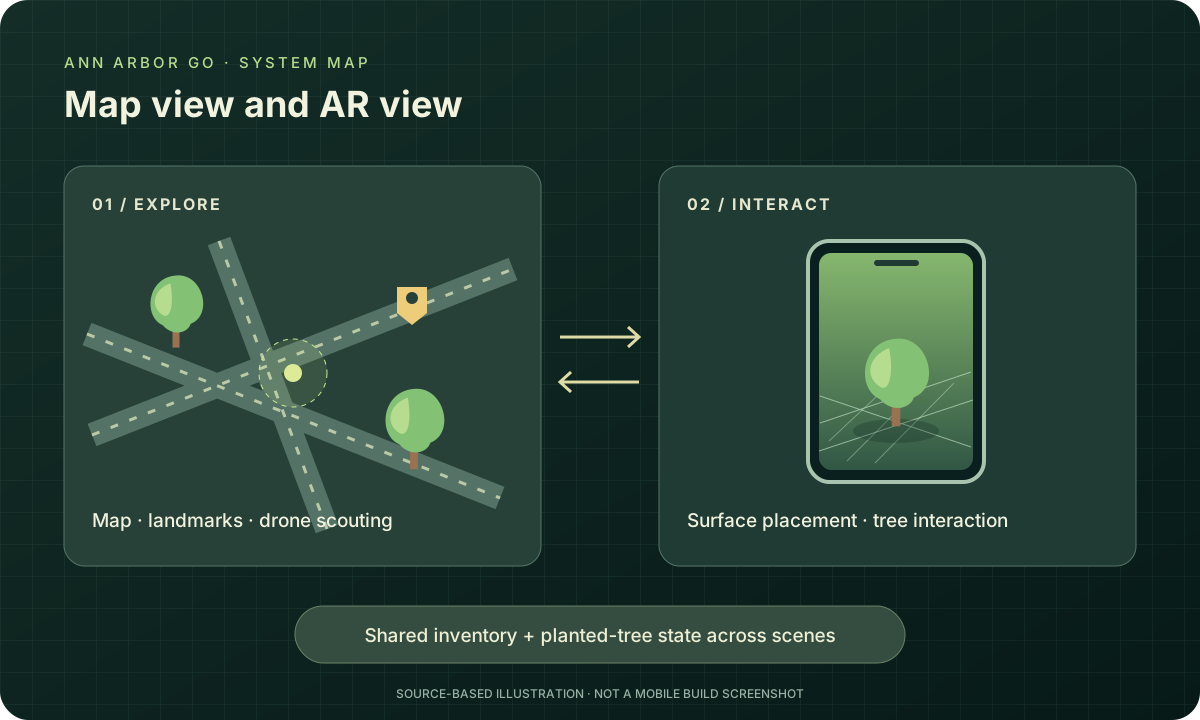
Ann Arbor Go is a phone game where players explore a map, plant virtual trees on nearby surfaces, and defend them from squirrels with acorns. Maxwell Zuber and I built it for our XR course.
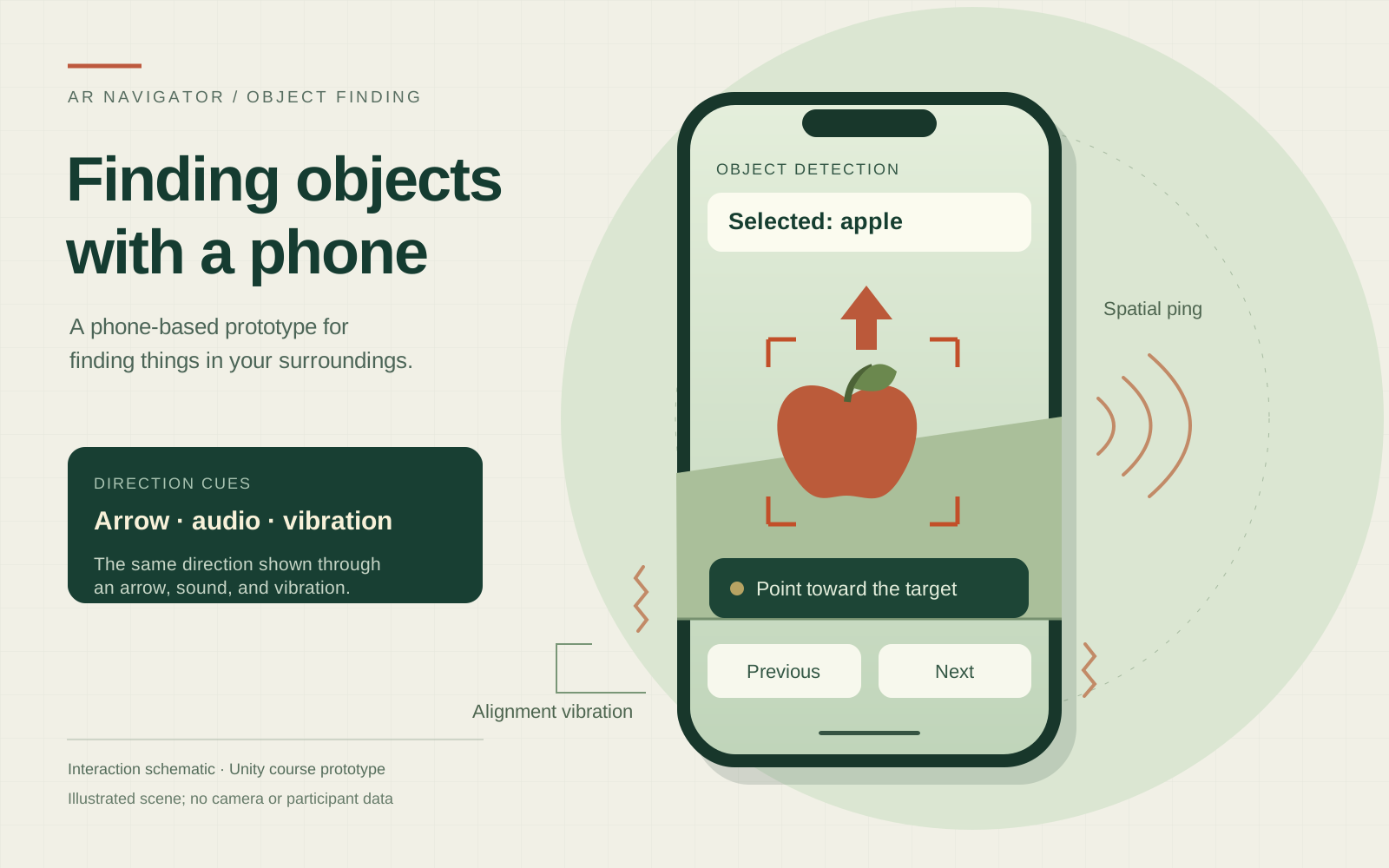
AR Navigator is a mobile prototype that points toward a selected object with an arrow, spatial sound, and vibration. I proposed the idea for people with vision impairments and built it with my course team in Unity.
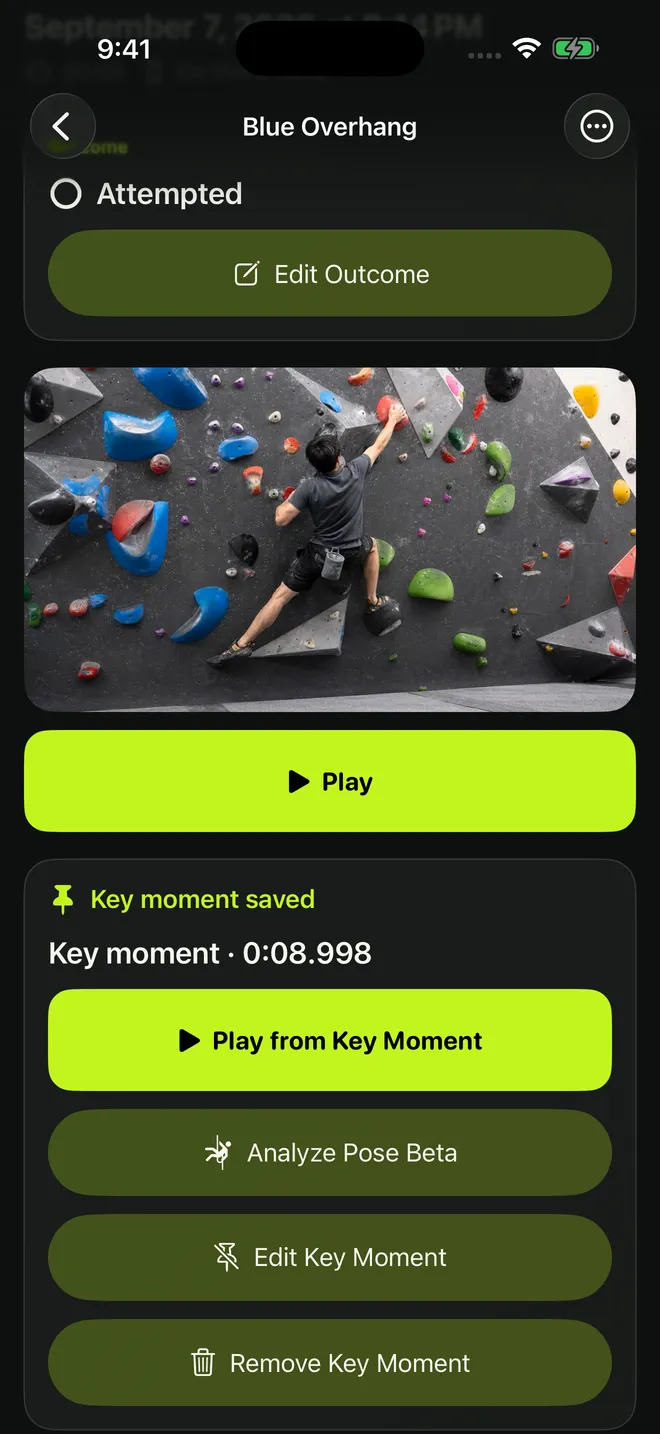
An iPhone app I built to keep bouldering videos, notes, and repeated attempts together. It's a place to remember what I tried and what I want to change on the next go.
A Raspberry Pi, a few sensors, and a question: did that signal actually get through? I'm building CareOps to make missing messages, device problems, and the next step easier to see.
An Enter button that dodges your mouse. You can still use the keyboard, touch, or a pen to get in. I built it as a small experiment about what happens when an interface gets in your way.